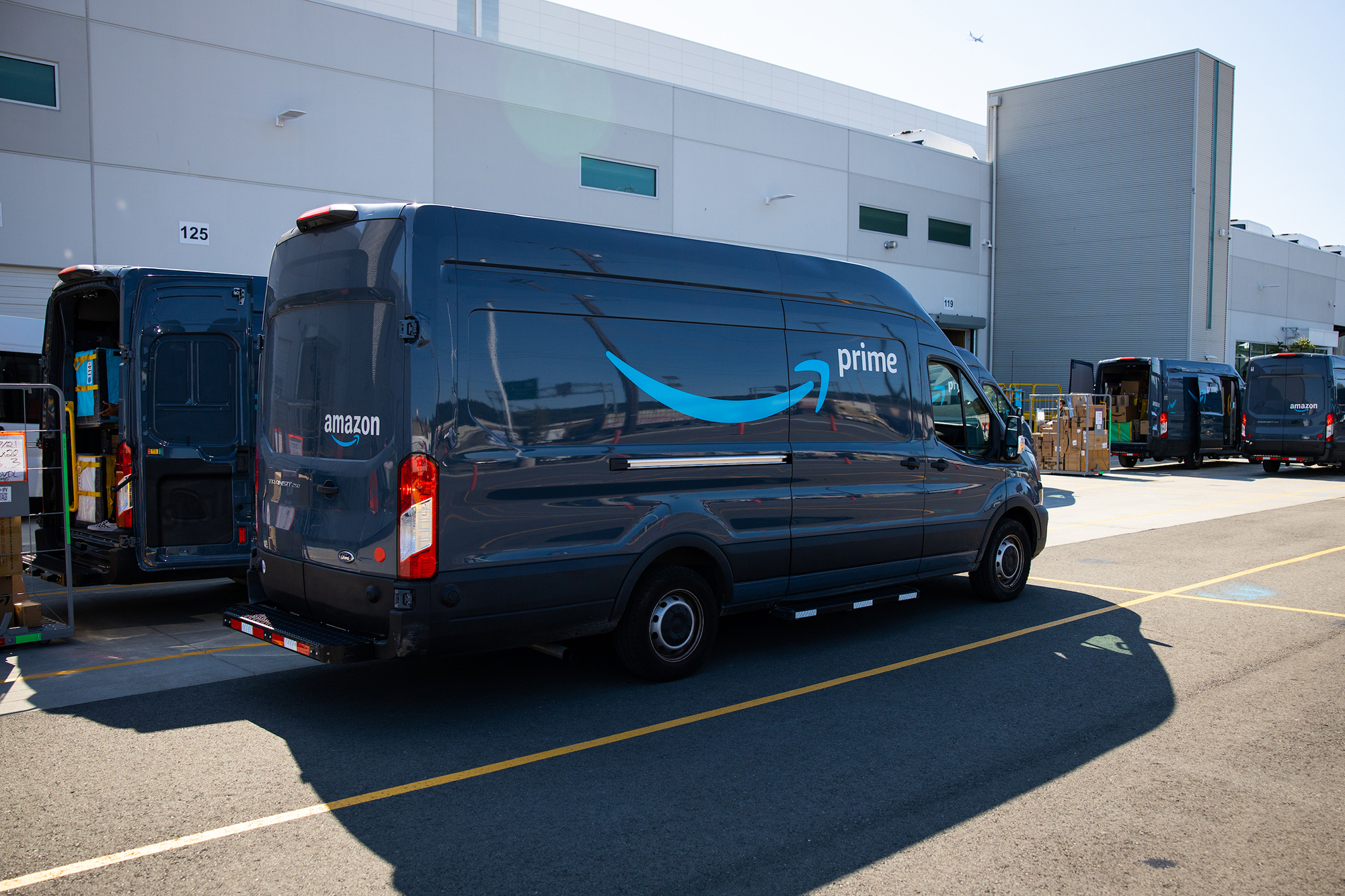
A large discount on Amazon UK can look settled before you have checked anything meaningful. The percentage is prominent, the timer is persuasive, the delivery badge is familiar, and the checkout path is fast. That is exactly why Amazon deals need a slower read. A real discount is not just a lower number beside a crossed-out price; it is a lower total cost from a seller you can identify, with a return route you understand and a price history that does not collapse the moment you compare it.
This Amazon UK deals review takes the opposite approach to a promo page. It does not assume every Lightning Deal, coupon, Prime offer or Subscribe & Save line is good value. It asks what a UK shopper can verify before paying: historical price, alternative retailer price, seller and fulfilment identity, Prime and delivery cost, returns and refund route, marketplace risk, warranty position and the date of the check.
Verification note: this guide was reviewed on 10 July 2026. Amazon pages, Prime pricing, coupon values, Subscribe & Save rules, Lightning Deal timing, seller availability and delivery charges can change quickly, so treat every product-level detail as something to re-check at checkout.
The Short Verdict on Amazon UK Deals
Amazon UK is useful when speed, breadth and simple returns matter, but it is noisy. The same search results page can include Amazon-sold stock, third-party sellers using Fulfilment by Amazon, third-party sellers shipping directly, sponsored placements, coupons, limited-time discounts, used options and subscription offers. Those offers do not all carry the same risk.
The best use of Amazon UK is not “buy whatever has the largest percentage off.” A stronger approach is to verify the offer in five minutes. Check whether the current price is low against its own history. Compare the same model at Argos, Currys, John Lewis, AO, manufacturer stores or specialist retailers. Confirm who sells the item and who fulfils it. Add delivery cost, Prime membership value, return restrictions and warranty support. Only then decide whether the deal is real.
Our editorial method is explained on our editorial policy, and our independence statement is on about UK Discounts and Deals. We may earn from qualifying links, but that does not change the checks below.
Start With Price History, Not the Discount Badge
Amazon deal pages often show a saving against a reference price, but the useful question is simpler: has this product genuinely been cheaper than usual, or has the reference price moved around? A crossed-out number can be a starting point, not proof.
For higher-value purchases, look up the exact model number on a price-tracking tool such as CamelCamelCamel or Keepa. Do not compare a vague product name. Compare the exact ASIN, capacity, colour, bundle, generation, warranty status and seller condition. A discount on a 2024 model is not the same as a discount on the 2026 version. A bundle with accessories is not directly comparable with a bare unit. A marketplace “renewed” product is not the same as a new item from the manufacturer.
A practical rule: if the price has been at or below today’s level several times in the last few months, the deal is probably ordinary. If it is near a genuine low and the product is sold by a credible seller with a clear return route, it becomes more interesting. The goal is not to wait forever for the lowest possible price; it is to avoid treating normal fluctuation as an exceptional saving.
Internal comparison helps too. If you are checking electronics, read our Currys UK deals review because Currys can sometimes compete through price matching, collection and appliance services rather than headline discount. If you are checking click-and-collect convenience, our Argos deals review gives another useful baseline.
Seller and Fulfilment Identity Change the Risk

The most important line on an Amazon product page is often not the price. It is the seller and dispatch information. There is a material difference between “Sold by Amazon,” “Dispatched from Amazon,” “Fulfilled by Amazon,” and a third-party seller shipping directly.
Amazon’s own UK operations article explains that small businesses can use Fulfilment by Amazon, sending stock into Amazon fulfilment centres while Amazon handles parts of the delivery process. That can improve convenience, but it does not make every seller identical. A third-party seller can still have different business details, support habits, product sourcing and warranty handling from Amazon Retail or a recognised brand store.
Before buying, open the seller profile. Check the business name, country, feedback pattern, recent negative reviews and whether complaints mention authenticity, wrong plugs, warranty refusal, missing accessories or return friction. For branded electronics, appliances, beauty devices, baby products and high-ticket goods, this seller check matters more than a small discount.
If the seller is unfamiliar and the saving is modest, compare against a direct retailer even if the Amazon price is a few pounds cheaper. A deal that creates uncertainty around warranty support or returns is not always a saving.
Prime Value Depends on What You Would Pay Anyway
Prime can make Amazon deals feel cheaper because delivery becomes less visible. Amazon’s UK Prime explainer states that Prime membership is £8.99 per month or £95 per year, with some discounted membership options for eligible customers. That cost matters. If you already use Prime for delivery, video, music or household shopping, a Prime-only deal may be a genuine convenience benefit. If you are joining only to access one small discount, include the membership cost in the purchase decision.
Prime also does not mean every item arrives instantly or free in the same way. Delivery speed can vary by location, stock position, product type and seller. Amazon said in a 2024 UK operations update that millions of popular items were available with free Same-Day or One-Day Delivery for Prime members, and that some cities had faster same-day windows. That is useful context, but the checkout page is still the authority for your order.
The deal check is simple: compare the final basket cost with and without Prime, including delivery date. For urgent household items, the time saving may be part of the value. For non-urgent items, a cheaper retailer with slower delivery may be the better deal.
Delivery Costs and Returns Can Reverse a Saving
Amazon’s return route is one of its strengths, but not every return works the same way. Amazon’s UK returns article says free, convenient returns are available on most items delivered in the UK, and that the specific return options shown in your account can depend on location, seller, item and reason for return. It also points readers to the Amazon Returns Centre for the available route.
That means you should check the return terms before buying, especially for heavy items, hygiene products, personalised goods, food, third-party marketplace stock and anything expensive enough to trigger extra inspection. The most useful question is not “does Amazon do returns?” It is “what route applies to this exact order if it arrives late, damaged, unsuitable or not as described?”
UK law also matters. GOV.UK explains that online, mail and phone customers generally have cancellation rights for a limited time, and that faulty or misdescribed goods require stronger remedies. It also notes that warranties and guarantees do not remove statutory rights. That does not mean every Amazon return is effortless, but it gives UK shoppers a baseline when retailer policy language becomes confusing.
For deal quality, include friction. A £12 saving on a bulky product can disappear if you face return postage, collection complications, delayed refunds or support hand-offs between Amazon, a marketplace seller and a manufacturer.
Marketplace Risk: Cheap Can Mean More Work
Amazon’s marketplace breadth is one reason deals appear quickly. It is also the reason shoppers need to slow down. Marketplace risk is not only about scams. It includes grey-market stock, unclear warranty coverage, imported plugs, missing UK manuals, duplicate listings, unhelpful seller support, short seller history and products where the brand page is difficult to verify.
Amazon provides an A-to-z Guarantee route for eligible marketplace orders, but a guarantee process is not the same as a simple retailer return. If you need the item for a fixed date, or if failure would be costly, prevention is better than dispute resolution.
Look for these warning signs before treating a marketplace price as a bargain:
- The seller name is unrelated to the brand or category.
- The listing title is stuffed with keywords rather than a clear model.
- Product images do not match the exact variant.
- Reviews mix different models or years.
- The seller feedback is thin, old or recently negative.
- The item is much cheaper than every reputable UK retailer without a clear reason.
None of these signs proves the offer is bad. Together, they tell you the discount needs more evidence.
Coupons, Subscribe & Save and Lightning Deals Need Separate Checks

Amazon coupons can be useful because they reduce the price at checkout, but you need to check whether the coupon applies to one unit, selected variants, minimum quantities or subscription purchases only. A coupon that applies to an overpriced variant may still leave you paying more than another retailer.
Subscribe & Save needs its own calculation. It can work for repeat household goods if the unit price is genuinely competitive and you will use the product before it expires. It is weaker when it nudges you into buying more than you need or when the first-order discount hides a higher repeat price. Before subscribing, calculate price per unit, check the next delivery date, and make sure you know how to skip or cancel.
Lightning Deals are even more time-sensitive. The timer creates urgency, but urgency is not evidence. Use the same checks: price history, model match, seller identity, return route and competing retailer price. If you cannot verify those before the timer ends, the safest answer is often to skip it. Another discount will come.
For general voucher thinking beyond Amazon, use our guide to deciding whether a UK voucher is actually worth using. The same principle applies here: the useful saving is the one that survives checkout, delivery and returns.
Warranty and Refund Routes Should Be Clear Before You Buy
Warranties are often misunderstood on Amazon because the product page, seller, manufacturer and Amazon account page can all feel connected. For a major purchase, check three things before buying.
First, identify the legal seller. That is the party you may need to deal with first if the product is faulty. Second, check whether the manufacturer warranty is valid for UK customers and for that seller route. Some brands restrict warranty support to authorised retailers or specific regions. Third, keep proof of purchase, serial numbers and product condition evidence.
GOV.UK’s returns and refund guidance states that customers can still have rights to repair or replacement even when a warranty or guarantee has expired. That is a useful protection, but it does not remove the practical benefit of buying through a seller with clean support routes. If the saving is small, warranty clarity can be worth more than the discount.
This is particularly important for electronics, smart home devices, beauty tech, baby equipment, power tools, white goods and branded accessories. If the deal page does not make the warranty route obvious, search the manufacturer’s UK warranty page before ordering.
How Amazon UK Compares With Specialist Retailers
Amazon’s advantage is breadth, speed and checkout familiarity. Specialist retailers can beat it on advice, installation, collection, service bundles, price promises, longer return windows or clearer warranty support. The right answer depends on the product.
For small household essentials, books, cables, batteries and repeat consumables, Amazon can be hard to beat when the unit price is low and delivery is included. For appliances, laptops, TVs, mattresses, bikes, prams or expensive tools, the retailer comparison becomes more important. A specialist may offer delivery slots, installation, recycling, longer support or a clearer authorised-retailer relationship.
Use a three-way comparison:
| Check | Amazon UK | Specialist retailer | Why it matters |
|---|---|---|---|
| Current item price | Check exact ASIN and seller | Check exact model and bundle | Avoid comparing different variants |
| Delivery | Prime, paid delivery or seller dispatch | Click-and-collect, scheduled delivery or courier | Speed can change total value |
| Returns | Depends on item, seller, location and reason | Depends on retailer policy | A hard return can erase a saving |
| Warranty | Seller/manufacturer route may vary | Often clearer for authorised stock | Important for expensive goods |
| Extras | Coupons, Subscribe & Save, Lightning Deals | Price match, installation, recycling, support | Extras can beat headline discount |
A good Amazon deal usually wins at least two columns: real price and convenience. If it only wins on headline discount, keep comparing.
A Five-Minute Amazon UK Deal Checklist

Use this before buying anything where the price, warranty or return friction matters.
- Copy the exact product name, model number, colour, capacity and ASIN.
- Check price history with a tracker and compare the same model at two UK retailers.
- Confirm seller name, dispatch route and whether the item is new, renewed, used or marketplace stock.
- Add delivery cost, Prime membership value and any minimum-spend condition.
- Read the return route shown for that product, not just the general Amazon returns reputation.
- Check warranty route for branded or high-value products.
- Treat coupons, Subscribe & Save and Lightning Deals as checkout mechanics, not proof of value.
- Screenshot key terms if the deal is expensive or time-limited.
If the deal still looks strong after those checks, it is probably worth considering. If the evidence is messy, the cleanest saving may be to wait.
Internal Reading for UK Deal Checks
Amazon UK is one useful baseline, but not the whole market. For retailer-specific context, compare it with our Argos deals review and Currys UK deals review. For voucher discipline, read how to decide whether a UK voucher is worth using. You can also browse our deals guides and read how we handle commercial links on our about page and editorial policy.
FAQ
Are Amazon UK deals always real discounts?
No. Some are genuine price drops, but others are normal price movements, variant-specific offers or discounts against a reference price that is not useful to you. Check the exact model against price history and at least two other UK retailers before treating the discount as meaningful.
Is a Prime-only deal worth it if I do not already have Prime?
Only if the saving and delivery value exceed the membership cost for your situation. Amazon lists Prime at £8.99 per month or £95 per year, with some discounted options. If you only need one item and another retailer is close on price, Prime may not improve the deal.
What is the difference between sold by Amazon and fulfilled by Amazon?
“Sold by Amazon” means Amazon is the seller. “Fulfilled by Amazon” usually means a third-party seller uses Amazon’s fulfilment network for storage, packing or dispatch. Fulfilment can improve convenience, but the seller identity still matters for support, product sourcing and warranty clarity.
Should I trust Amazon Lightning Deals?
Treat Lightning Deals as time-limited opportunities, not proof of value. Check price history, seller, fulfilment, return route and competing prices. If the timer prevents you from verifying the product properly, skipping the deal is usually safer than buying under pressure.
Are Subscribe & Save discounts good value?
They can be, especially for repeat household items with stable unit prices. They are weaker when the first order is discounted but future orders are not competitive, or when you buy more than you need. Always calculate the unit price and check how to skip or cancel future deliveries.
What should I do if an Amazon marketplace order goes wrong?
Start with your Amazon order page and the seller contact route, then use Amazon’s eligible claim routes such as the A-to-z Guarantee where appropriate. Keep screenshots, delivery evidence, product photos and messages. For UK consumer rights context, GOV.UK and Citizens Advice can help explain refund and repair rights.
Final Verdict
Amazon UK deals are worth using when the evidence survives scrutiny: the price is genuinely low, the seller is credible, fulfilment is clear, delivery cost is included in the comparison, returns are practical and warranty support is not vague. The weak deals are the ones that ask you to trust a discount badge before checking the basics. Slow down for five minutes, and Amazon becomes easier to use as a deal source rather than a deal distraction.